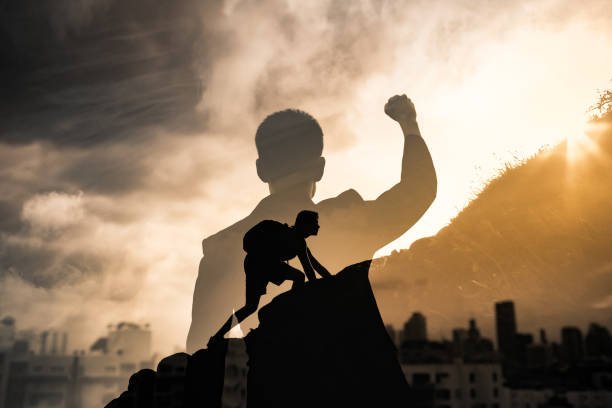
In 2025, a storm is brewing beneath the surface of modern masculinity.
Men around the world are quietly abandoning the sanitized, disembodied definitions of manhood they’ve inherited from the last few decades. In their place, they’re turning to something ancient, primal, and enduring.
They are rediscovering Wild Masculinity.
It’s a force shaped not by fleeting trends or social algorithms, but by the timeless echoes of mythology. These myths—full of warriors, tricksters, seekers, and kings—carry the blueprints of manhood that still resonate today.
But what does Wild Masculinity actually mean? And how can ancient mythological archetypes help modern men reclaim their purpose?
Let’s dive deep.
Table of Contents
What is Wild Masculinity in 2025?
Wild Masculinity is not about being reckless, nor is it about reverting to outdated, rigid stereotypes of men.
Instead, it’s about embodying the authentic, primal energy that men have carried for millennia—balanced with wisdom, creativity, and self-mastery.
It’s the masculinity that is rooted in nature, myth, and psyche. It understands discipline but values freedom. It can build empires, but also roam the wilderness.
And it’s no coincidence that the resurgence of interest in Jungian psychology, mythology, and rites of passage is helping shape this movement.
At the heart of this revival are 7 mythological archetypes that speak directly to the soul of modern men.
The 7 Mythic Archetypes Men Are Reclaiming
1. Odin – The Seeker of Wisdom
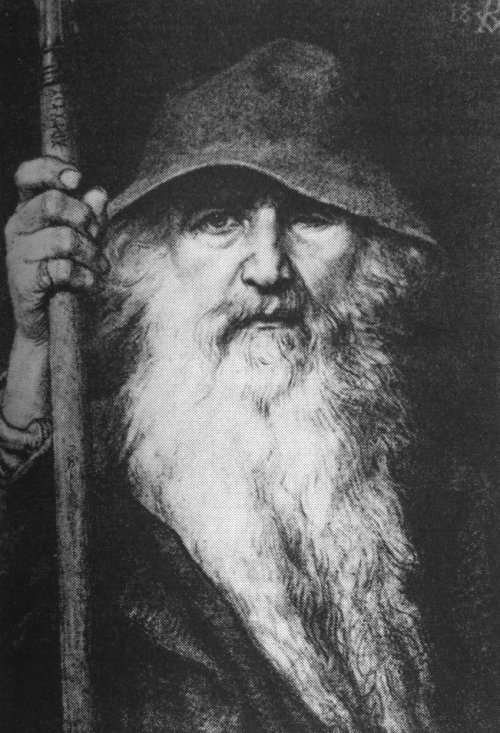
Odin, the Norse Allfather, sacrificed an eye to drink from the Well of Wisdom. He hung himself on the World Tree, Yggdrasil, to gain the knowledge of runes and magic.
For the modern man, Odin represents the relentless pursuit of knowledge and self-sacrifice for growth.
In a world drowning in superficial information, embracing Odin’s archetype means seeking deep wisdom, embracing discomfort, and engaging in transformative experiences—whether through study, travel, or intense inner work.
Wild Masculinity requires the humility to pay the price for real insight.
2. Coyote – The Trickster Rebel
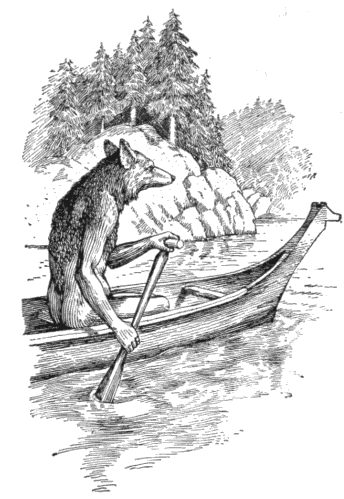
Coyote, from Native American mythology, is the ultimate trickster. He breaks rules, plays pranks, and teaches hard lessons through chaos.
In a hyper-regulated, predictable world, men need Coyote’s energy. The Trickster challenges conventions, reclaims playfulness, and stays adaptable.
Rebellion, when aligned with purpose, is vital for growth. Coyote reminds men to question systems, stay fluid, and not take life—or themselves—too seriously.
Sometimes the wildest strength is in laughter and subversion.
3. The Samurai – The Disciplined Warrior
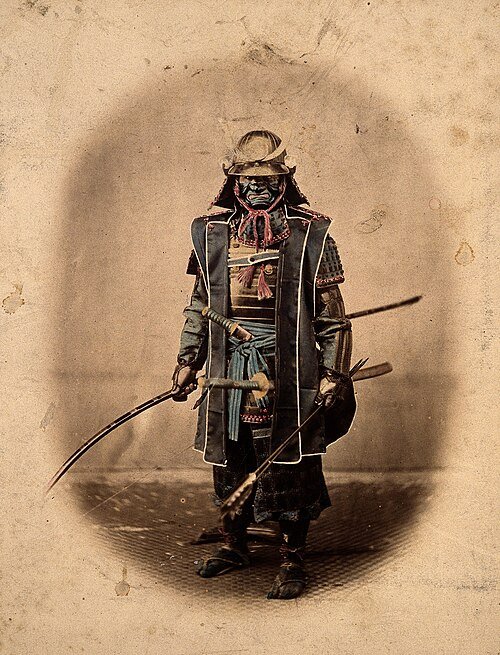
From feudal Japan, the Samurai represents duty, honor, and self-discipline. The Bushido code governed their life, combining martial prowess with ethical conduct.
The Samurai archetype speaks to modern men about embodying strength with restraint. In 2025, where distractions are abundant, the Samurai teaches the value of focus, ritual, and self-command.
Wild Masculinity isn’t just about freedom—it’s about choosing structure to sharpen your edge.
4. Heracles – The Relentless Strength
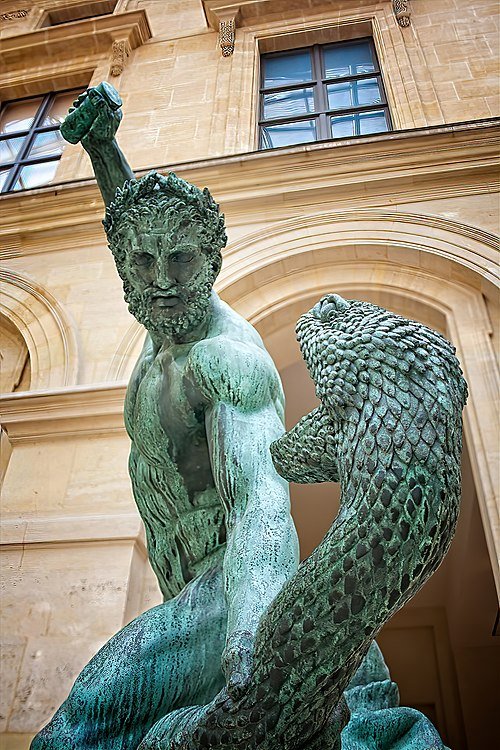
In Greek mythology, Heracles (or Hercules) faced 12 impossible labors—facing monsters, gods, and his own rage.
Heracles embodies physical might, endurance, and the capacity to overcome adversity. In the modern age, this translates into both physical fitness and the resilience to confront inner demons.
Every man faces his own labors—addiction, doubt, failure. Channeling Heracles means committing to the path of grit and persistence.
Wild Masculinity embraces the strength of body and mind as tools for transcendence.
5. The Wolf – Brotherhood and Loyalty
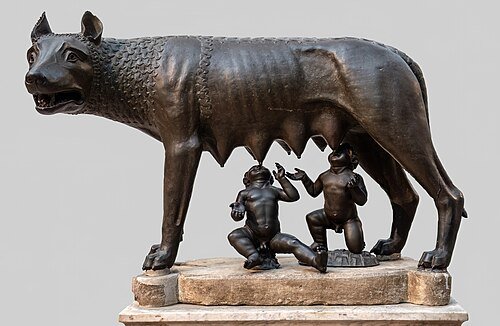
Wolves have roamed myths across cultures as symbols of pack loyalty, instinct, and cooperation. From Romulus and Remus of Rome to Fenrir in Norse tales, the wolf carries dual energy: destructive power and sacred brotherhood.
Modern men often suffer in isolation. The Wolf archetype reminds us that brotherhood is sacred. Building bonds with other men through shared struggle, accountability, and camaraderie is essential.
No man thrives truly alone.
To reclaim Wild Masculinity, men must find their pack—or build one.
6. King Arthur – The Noble Leader
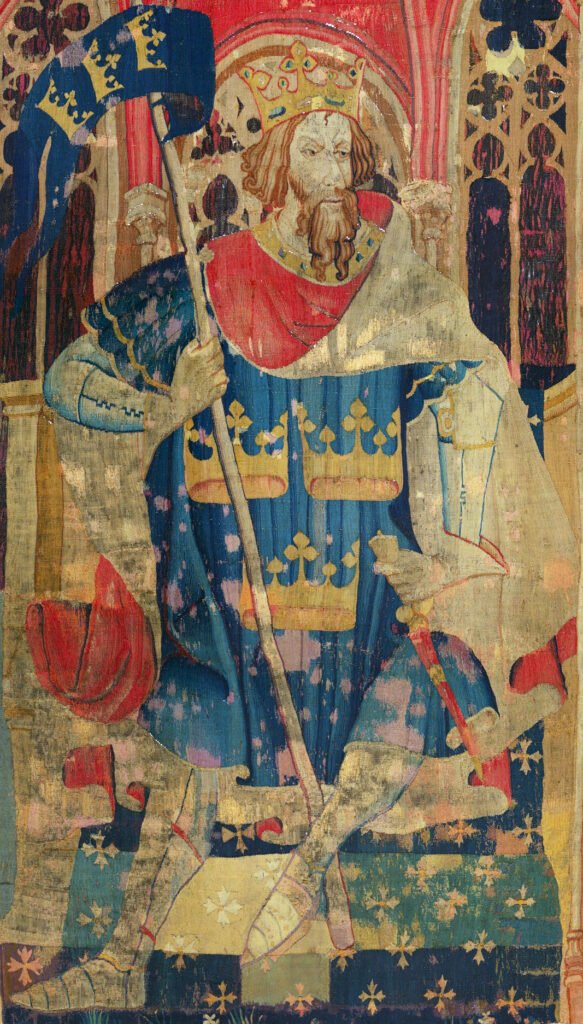
King Arthur and his Knights of the Round Table represent the ideal of noble leadership and integrity. The King archetype governs, protects, and nurtures his domain.
For men today, Arthur’s legacy is about leading oneself first, creating stability, and using power wisely—not for domination, but for upliftment.
Every man is the king of his world: his family, work, relationships. How he rules determines his legacy.
Wild Masculinity leads with strength tempered by justice.
7. Prometheus – The Creative Fire-Bringer
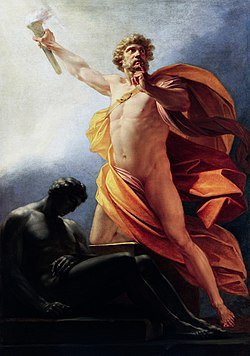
Prometheus stole fire from the gods and gave it to humanity, igniting civilization. For his defiance, he was eternally punished—but his gift changed the world.
Prometheus symbolizes the creative masculine force, the willingness to disrupt for progress, and the courage to suffer for your creations.
Today, this might mean launching a daring business, writing a controversial book, or living an unconventional life.
Wild Masculinity carries the torch of creation, no matter the cost.
Why Mythology Still Shapes Modern Masculinity
We live in an era of data, yet men feel directionless. Algorithms tell us what to consume, but not who to become.
That’s why mythology remains potent—it offers timeless maps of the human experience.
Rites of passage, warrior codes, and mythic symbols aren’t relics; they’re tools. They remind men how to move from boyhood to manhood, how to navigate suffering, and how to construct meaning in chaos.
Wild Masculinity is not just instinct—it is a conscious, storied awakening.
How to Embody These Archetypes Today
- Study Myth and Psychology:
Read Joseph Campbell, Carl Jung, and Robert Moore’s King, Warrior, Magician, Lover. - Engage in Physical Mastery:
Martial arts, strength training, breathwork—develop the body as a vessel of power. - Join Brotherhoods:
Find or create male circles focused on accountability, challenge, and growth. - Pursue Creative Risks:
Start projects that scare you. Write, build, or invent without permission. - Craft Personal Rituals:
Morning routines, meditation, cold plunges—rituals anchor discipline. - Lead Somewhere:
Lead your family, a team, or a mission—however small. Leadership tempers ego. - Honor Your Shadows:
Face your fears, your addictions, your wounds. Integrate them rather than suppress.
FAQ on Mythology, Archetypes & Modern Masculine Identity
1. What is the role of mythology in shaping male identity today?
Mythology provides timeless symbols and stories that help men navigate purpose, struggle, and growth in a modern world that often lacks clear direction.
2. How are ancient archetypes relevant to men in 2025?
Archetypes represent universal energies within all men. They act as psychological models that guide behavior, decision-making, and personal evolution even in contemporary settings.
3. What are masculine archetypes?
These are fundamental patterns of behavior and energy—such as the Warrior, King, Magician, and Lover—that describe aspects of the mature masculine psyche.
4. Why is Jungian psychology important for understanding masculinity?
Jungian psychology emphasizes archetypes, shadow work, and individuation, helping men integrate all facets of their psyche to achieve balance and authenticity.
5. Can one man embody multiple archetypes?
Absolutely. Mature men integrate multiple archetypes, adapting qualities like strength, wisdom, creativity, and leadership depending on life’s demands.
6. Which mythological figures are most influential for masculine development?
Figures like Odin, Coyote, The Samurai, Heracles, King Arthur, Prometheus, and The Wolf provide diverse models for courage, wisdom, discipline, creativity, and loyalty.
7. How can a man discover his dominant archetype?
By reflecting on personal tendencies, challenges, and aspirations, or through psychological assessments and mythological studies, one can uncover which archetype resonates most.
8. What is the significance of rites of passage for men?
Rites of passage symbolize the transition from adolescence to adulthood, fostering responsibility, resilience, and a sense of mission—elements often missing in modern life.
9. How does modern society suppress archetypal growth?
Many societal structures prioritize conformity, convenience, and comfort, leaving little space for men to confront challenges that forge deeper character and identity.
10. Are physical challenges important in embodying these archetypes?
Yes. Engaging in martial arts, strength training, endurance sports, and wilderness survival develops resilience and reconnects men to their primal capacities.
11. How does creativity relate to masculine energy?
Creativity is a crucial expression of masculine energy, representing the builder, innovator, and visionary aspects of men. Prometheus, the fire-bringer, embodies this force.
12. Why is brotherhood or male bonding essential?
Deep bonds with other men foster accountability, support, and growth. Brotherhood revives the communal aspect of personal development that was common in tribal societies.
13. What are shadow aspects of masculine archetypes?
Each archetype has a shadow side—like the tyrant king, the sadistic warrior, or the manipulative magician. Confronting and integrating these shadows is key to maturity.
14. What books can help explore masculine archetypes?
- King, Warrior, Magician, Lover by Robert Moore & Douglas Gillette
- Iron John by Robert Bly
- The Hero with a Thousand Faces by Joseph Campbell
- Man and His Symbols by Carl Jung
15. How do I start integrating these archetypes into daily life?
Begin with self-reflection, then engage in physical training, adopt rituals, seek mentorship or brotherhood, and pursue creative or leadership endeavors.
16. Is rebellion a part of masculine identity?
Yes. The Trickster, embodied by figures like Coyote, represents the essential role of questioning norms, breaking rules creatively, and disrupting stagnation.
17. What’s the importance of leadership in male development?
Leadership channels the King archetype—creating order, protecting communities, and guiding others with integrity and strength.
18. Can these ancient symbols help with mental health?
Yes. Understanding and embodying archetypes can help men address depression, aimlessness, and anxiety by offering a purposeful framework for life.
19. How can I create personal rituals aligned with these archetypes?
Design morning routines, physical practices, meditation, or rites of passage that reflect the qualities of the archetypes you wish to embody.
20. What’s the first practical step in this journey?
Study the myths, identify an archetype that calls to you, and begin aligning your habits, mindset, and relationships to reflect that energy.
The Call of Wild Masculinity
The myths are not dead. They live in every man waiting to be awakened.
Wild Masculinity is your inheritance. It’s the savage wisdom of Odin, the cunning of Coyote, the honor of the Samurai, the grit of Heracles, the loyalty of the Wolf, the sovereignty of Arthur, and the fire of Prometheus.
These are not just stories—they are keys to your evolution.
So ask yourself:
Which archetype is calling you? Which myth will you live?
Because the wild man inside you is waiting. And the world needs him more than ever.
Step forward. Choose your myth. And forge your legacy. Subscribe to MindGearMen.