
Does your brain ever feel like Grand Central Station at rush hour? A constant barrage of announcements, rumbling trains, and a thousand crossing conversations, all happening right between your ears. If you’re living with ADHD, this isn’t just a metaphor; it’s a daily reality. The gentle hum of the air conditioner, the distant traffic, a colleague’s tapping pen—each sound can feel like a direct assault on your concentration.
You sit down, determined to conquer your to-do list. You have your coffee, you’ve opened the right document, but then… the neighbor decides it’s the perfect time to pressure wash their driveway. Suddenly, your brilliant train of thought has derailed, and getting it back on track feels like a monumental effort.
This isn’t a lack of willpower. It’s neuroscience. For many with ADHD, the brain has a different kind of “auditory filter.” While a neurotypical brain might easily relegate background noise to, well, the background, an ADHD brain often gives every sound a VIP pass to the front row. This is sometimes linked to a concept called low latent inhibition, where the brain is less able to ignore stimuli that have been previously deemed irrelevant. The result? Sensory overload, fractured focus, and mounting frustration.
But what if you could build your own fortress of solitude? What if you had the power to selectively mute the world, creating a sanctuary where your thoughts could finally flow, uninterrupted? The incredible news is that you can. Technology and simple ingenuity have given us an arsenal of tools designed specifically to manage auditory chaos.
Table of Contents
We’ve delved deep, tested, and researched to bring you the ultimate guide to the top 5 noise-control tools that are absolute game-changers for ADHD productivity. Prepare to silence the noise and unleash the laser-focused genius within.
1. Noise-Cancelling Headphones: Your Personal Oasis of Calm
Let’s start with the heavy hitter. Active Noise-Cancelling (ANC) headphones are more than just a fancy accessory; they are a powerful piece of technology that can create an immediate and profound sense of quiet. Think of them as your on-demand “do not disturb” sign for your ears.
How Do They Actually Work?
It’s not magic, but it’s close! Tiny microphones on the outside of the headphones “listen” to the ambient noise around you (like the drone of an airplane engine or office chatter). A chip inside the headphones then instantly generates an opposite soundwave—an “anti-sound.” When your soundwave and the anti-soundwave meet, they cancel each other out before the noise ever reaches your eardrum. It’s like adding +1 and -1 to get zero. The result is a stunning reduction in constant, low-frequency background noise.
Why They’re a Godsend for ADHD:
- Drastically Reduces Sensory Overload: Constant noise can trigger a low-level “fight-or-flight” response, keeping your nervous system on edge. By eliminating that noise, ANC headphones can physically calm your system, reducing anxiety and freeing up precious mental energy that was being spent just coping with the environment.
- Paves the Way for a “Flow State”: The state of deep, effortless concentration known as “flow” is the holy grail of productivity. Auditory distractions are the number one enemy of flow. By creating a consistent and quiet soundscape, these headphones remove the barriers, making it much easier for your brain to become fully immersed in a task.
- Creates Powerful Rituals and Boundaries: The physical act of putting on your headphones can become a powerful psychological trigger. It signals to your brain, “Okay, it’s time to focus now.” It also sends a clear, non-verbal cue to colleagues and family that you are in deep work mode and shouldn’t be interrupted unless it’s urgent.
Top Features to Look For:
- Quality of Active Noise Cancellation (ANC): This is paramount. Different brands excel here. Read reviews specifically comparing the ANC effectiveness of top models.
- All-Day Comfort: If they pinch your head or make your ears hot after an hour, you’re just trading one distraction for another. Look for lightweight designs, plush memory foam earcups, and an adjustable headband.
- Transparency Mode (or Ambient Mode): This is crucial. This feature uses the external microphones to let you hear your surroundings without taking the headphones off. Perfect for quickly ordering a coffee, hearing a train announcement, or talking to a coworker without breaking your workflow completely.
- Battery Life: You want a pair that will last through your entire workday. Look for models offering 20+ hours of ANC-enabled playback.
Popular Options: The Sony WH-1000XM5 are often hailed as the king of noise cancellation. The Bose QuietComfort series is legendary for its comfort and excellent ANC. For Apple users, the AirPods Max offer seamless integration and impressive sound.
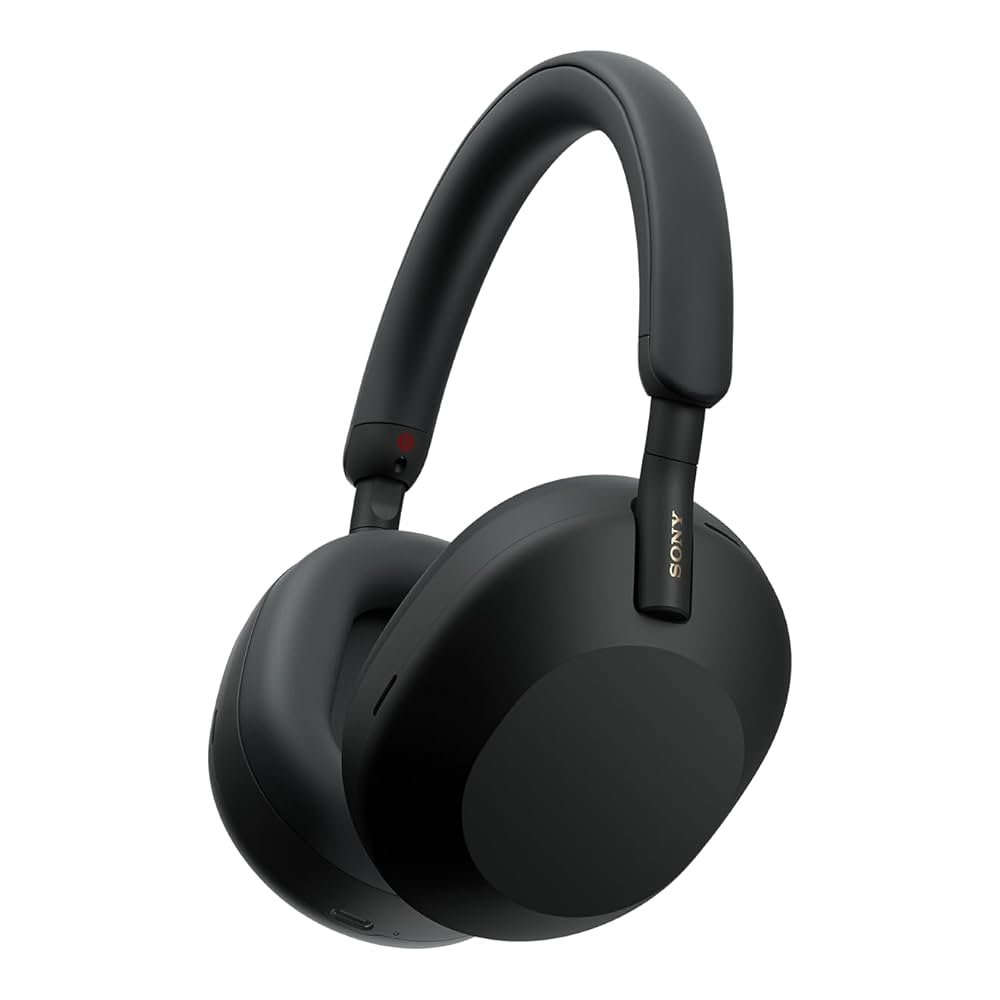
Ever wished for a volume knob for the world? That’s exactly what these headphones provide. It’s your personal control room for your auditory environment.
2. White Noise Machines & Apps: The Art of Masking Distractions
If complete silence feels unsettling or you’re plagued by sudden, sharp noises, a white noise machine might be your perfect ally. Instead of eliminating sound, it masks it by providing a constant, soothing auditory backdrop.
Think of it like this: A sudden slamming door in a quiet library is incredibly jarring. But if that same door slams next to a roaring waterfall, you might not even notice it. White noise is your personal waterfall.
Beyond White: Pink and Brown Noise
Not all static is created equal! Understanding the “colors” of noise can help you find your perfect focus frequency:
- White Noise: Contains all audible frequencies at equal intensity. It sounds like a hissing static from an old TV. It’s excellent for masking high-pitched, sharp noises.
- Pink Noise: Is deeper and more balanced than white noise, with more power in the lower frequencies. It sounds like steady rainfall or wind rustling through leaves. Many find it less harsh and more soothing than white noise.
- Brown Noise (or Brownian Noise): Is even deeper and more “rumbly” than pink noise. Think of a strong waterfall, a low roar, or distant thunder. It’s fantastic for blocking out low-frequency sounds like traffic and can be incredibly calming.
Why They’re Great for ADHD:
- Smooths Out Auditory Spikes: The ADHD brain is often jolted out of focus by unpredictable sounds. A consistent soundscape from a white noise machine smooths out these auditory “spikes,” making them less noticeable and less likely to break your concentration.
- Aids in Task Initiation: For many with ADHD, the biggest hurdle is simply starting. The ritual of turning on your preferred background sound can act as an “on-ramp” to productivity, a gentle nudge that helps you transition into a work mindset.
- Enhances Privacy and Focus in Open Spaces: Working in an open-plan office can feel like you’re in a fishbowl. White noise can create a “bubble” of sound, masking nearby conversations and making you feel less exposed and more able to focus on your own work.
Top Features to Look For (Machines): Non-looping sounds (so you don’t hear a pattern), a variety of sound options (white, pink, brown, nature), adjustable volume, and perhaps a timer.
Top Features to Look For (Apps): A rich sound library, the ability to mix different sounds (e.g., rain with a crackling fire), offline availability, and the ability to play in the background.
Popular Options (Machines): The LectroFan EVO is a fan-favorite for its non-looping sounds. The Marpac Dohm series uses a real internal fan for a natural, analog sound.
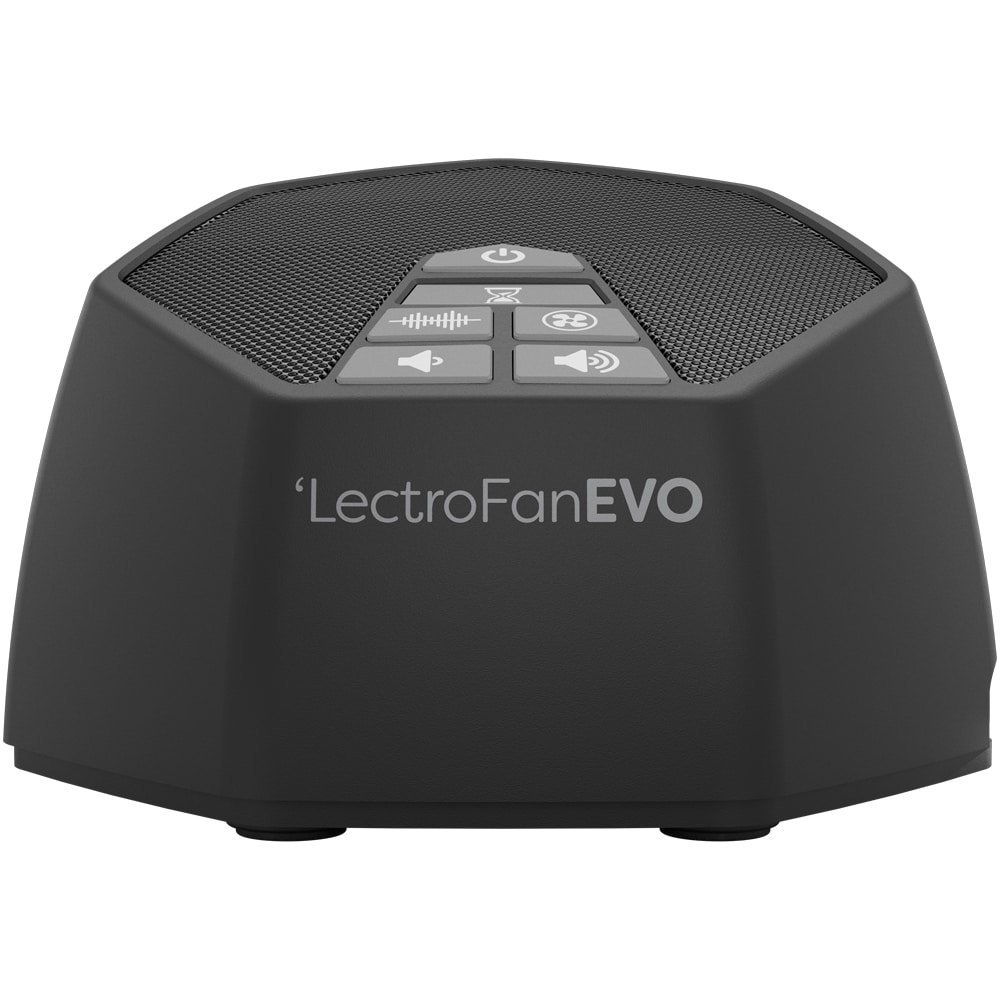
Popular Options (Apps): myNoise is a sound engineer’s dream with incredible customization. Calm and Headspace also offer excellent libraries of background sounds and focus music.

If sudden noises constantly hijack your attention, imagine laying down a soft, consistent “sound blanket” that smothers them before they can reach you.
3. Earplugs: The Simple, Underrated Powerhouse
Never underestimate the power of simplicity. Before batteries and Bluetooth, there were earplugs. And for many situations, they remain an unbeatable tool for focus. They are the ultimate in portability, affordability, and reliability.
Why They Can Help with ADHD:
- Significant Noise Reduction (without Electronics): Ideal for exam halls, libraries, or any situation where electronics are forbidden or impractical. They provide a powerful passive barrier against distraction.
- Discreet and Unobtrusive: Sometimes you don’t want to wear bulky headphones. Earplugs are virtually invisible, allowing you to dial down the world’s volume without drawing attention to yourself.
- Reduces “Temptation” Distractions: Unlike headphones which can play music or podcasts, earplugs have one job: to quiet things down. This can help prevent you from getting sidetracked by deciding what to listen to.
- Quantifiable Protection: Look for the Noise Reduction Rating (NRR) on the packaging, measured in decibels (dB). An NRR of 32 means it can reduce the noise level by up to 32 decibels, which is a very significant amount.
Types of Earplugs to Consider:
- Foam Earplugs: The classic, inexpensive choice. They offer a high NRR but require proper insertion (roll, insert, hold) to be effective. Can become uncomfortable with long wear.
- Silicone Putty Earplugs: These are moldable and form a seal over the ear canal rather than inside it. They are great for sleeping, comfort, and are often waterproof.
- High-Fidelity Earplugs: These are a game-changer. Instead of just muffling sound, they use special filters to reduce the overall volume evenly across the frequency spectrum. This means you can still hear conversations and music clearly, just at a much quieter, less overwhelming level. Perfect for social gatherings or working in a coffee shop where you still want some situational awareness.
Popular Options: Mack’s is a trusted brand for silicone putty plugs. Hearos makes excellent foam plugs. Etymotic Research and Loop are leading names in the high-fidelity earplug space.
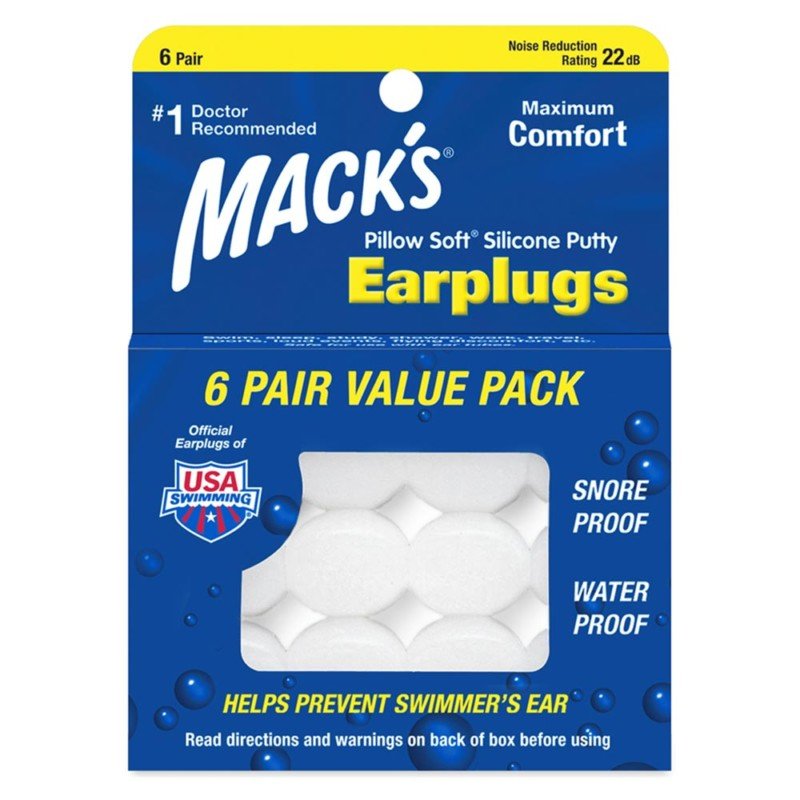
Think of earplugs as the pocket-sized mute button for life’s chaos. It’s the simplest, most reliable way to instantly claim a piece of quiet for yourself.
4. Focused Sound Speakers: Your Invisible Sound Bubble
This is a more niche, but fascinatingly futuristic tool. Imagine a speaker that works like a spotlight instead of a floodlight. Directional or focused sound speakers project sound in a very narrow beam, creating a private listening zone without the need for headphones.
How They Can Aid ADHD Productivity:
- Freedom from Wearables: For individuals with sensory sensitivities, wearing headphones or earplugs for hours can be irritating. Focused speakers provide an auditory tool without any physical contact, which can be a huge relief.
- The Ultimate Shared Space Solution: You can listen to your focus-enhancing binaural beats, calming music, or an audiobook at your desk, while a person sitting just a few feet away hears nothing. This can eliminate household or office conflicts over background noise.
- Seamless Audio Cues: You can have gentle reminders, timers (like for the Pomodoro Technique), or ambient sounds playing just for you, without adding to the general noise of the room or disturbing others.
Things to Consider:
- Cost and Availability: This is still emerging technology and can be significantly more expensive than other options.
- Positioning is Key: You need to be in the “sweet spot” for it to work effectively, and reflections off nearby walls can sometimes disperse the sound.
Popular Options: Brands like Soundlazer and Akoustic Arts are pioneers in this space, offering various models for personal and commercial use.
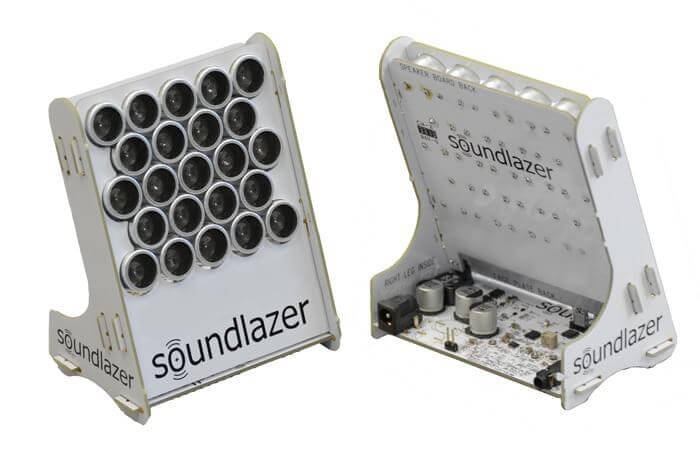
Imagine a cone of silence, but in reverse—a cone of sound that only you can hear. It’s personalized audio without anything on or in your ears.
5. Sound Dampening Materials: Tuning Your Environment
This final tool isn’t something you wear or turn on, but it can have one of the most lasting impacts. It involves making small (or large) changes to your physical space to stop sound from bouncing around and creating a chaotic, echoey environment. A room with “hard” acoustics adds to your cognitive load, as your brain works overtime to process all the reverberating sound.
Actionable Steps, from Easy to Involved:
- Easy & Renter-Friendly Fixes (Do These Today!):
- Add Softness: The more soft surfaces, the better. Lay down a plush area rug. Hang heavy, thick curtains (marketed as “blackout” or “thermal” curtains) over windows. Throw a blanket over the back of your chair.
- Use Furniture Strategically: A large, full bookshelf is one of the best sound diffusers and absorbers you can have. Even a few large houseplants can help break up sound waves.
- Get a Door Draft Stopper: A surprising amount of noise seeps in from under the door. A simple fabric “snake” can make a noticeable difference.
- More Involved Solutions:
- Acoustic Panels: These are purpose-built panels made of sound-absorbing material like dense foam or mineral wool. You don’t need to cover your entire wall. Placing a few panels strategically on the wall opposite your main noise source (like your computer speakers) or on the wall behind you can dramatically reduce echo and make a room feel calmer. They come in many artistic designs to complement your decor.
- Acoustic Foam: This is the bumpy foam you see in recording studios. While highly effective, it’s often less aesthetically pleasing. It’s a great, cost-effective option for a dedicated office or workspace where looks are secondary to function.
Think of your room as a guitar. Hard, bare walls are like a loud, untuned instrument. By adding soft materials, you are gently tuning your space to create a calmer, more harmonious sound.
Frequently Asked Questions (FAQ)
We get it—diving into the world of noise-control tools can bring up a few questions. Here are our answers to some of the most common ones we hear.
1. Which noise-control tool is the absolute “best” for ADHD?
This is the number one question, and the honest answer is: the one that works best for you. There is no single “best” tool for everyone. It’s more helpful to think of these options as building your personal “focus toolkit.”
- For deep, immersive work in a very noisy place, Active Noise-Cancelling (ANC) headphones are often the top choice.
- To mask sudden, jarring sounds or to help you sleep, a white noise machine or app might be your hero.
- For portability, simplicity, and situations where electronics aren’t allowed (like exams), a good pair of earplugs is unbeatable. The best strategy is to identify your biggest noise challenges and choose the tool that directly solves that problem.
2. Can’t I just use my regular music earbuds instead of buying expensive noise-cancelling headphones?
You certainly can, and it’s a great starting point! Any headphones that play sound will provide some level of distraction blocking. However, it’s important to understand the difference:
- Passive Noise Isolation: This is what regular earbuds do. They physically block your ear canal, muffling some outside sound. It’s like putting your hands over your ears.
- Active Noise Cancellation (ANC): This is a technology that actively “listens” to low-frequency background noise and creates an opposite soundwave to eliminate it.
While passive isolation helps, ANC is a game-changer for constant drones like air conditioners, engine noise, and office hums. It creates a level of quiet that just playing music through regular earbuds can’t achieve.
3. What about just listening to music? Is that a good noise-control tool?
For many people with ADHD, listening to music is a phenomenal productivity tool! The ADHD brain is often seeking stimulation, and if it doesn’t get it from your primary task, it will wander off to find it elsewhere. The right kind of music can provide that stimulation, keeping your brain engaged and preventing your mind from wandering.
Pro-Tip: Try music without lyrics, as lyrical content can be just as distracting as a conversation. Video game soundtracks, lo-fi hip hop, cinematic scores, or electronic music genres like ambient and trance are all popular choices for focus.
4. I’m worried about becoming too dependent on these tools. Is that a problem?
Let’s reframe that thought. Do you worry about someone who needs glasses becoming “dependent” on them to see? Of course not! You see glasses as a tool that allows them to function at their best.
Think of noise-control tools in the same way. They are a support system—not a crutch—that helps level the playing field in a world that can be sensorily overwhelming for the ADHD brain. Using a tool that helps you focus, reduces your anxiety, and boosts your productivity is a smart and healthy strategy.
5. Are these tools safe for my hearing?
This is an excellent and important question. When used responsibly, they are perfectly safe and can even protect your hearing. The main benefit of noise-cancelling headphones and white noise machines is that they block out ambient sounds, which means you can listen to your music or audio at a much lower and safer volume. You’re no longer trying to blast your eardrums to drown out the noise around you.
The general rule for safe listening is the 60/60 rule: listen at no more than 60% of the maximum volume for no more than 60 minutes at a time before taking a short break.
6. I’m on a tight budget. What’s the most affordable way to get started?
You don’t need to spend a lot of money to start taking control of your auditory environment! Here are the most budget-friendly starting points:
- Free White Noise Apps: Download an app like myNoise or use a YouTube video that plays white, pink, or brown noise. You can listen with any headphones you already own.
- Foam or Silicone Earplugs: A multi-pack of high-quality earplugs can cost just a few dollars and provides an immediate, powerful, and portable solution.
7. Can these tools help with things besides work, like anxiety in social situations?
Absolutely! This is one of their most powerful and underrated uses. For many with ADHD, crowded places like supermarkets, malls, or parties can cause intense sensory overload and anxiety. Using a pair of discreet, high-fidelity earplugs (like Loop) or noise-cancelling headphones can dial down that overwhelming input, making these situations far more manageable and less draining. They are not just productivity tools; they are life-management tools.
Build Your Personalized Focus Toolkit
There is no single “magic bullet” for taming distraction with ADHD. The real power lies in recognizing your unique sensitivities and building a personalized “focus toolkit” that you can adapt to any situation.
Some days, your noise-cancelling headphones will be your best friend. On other days, a simple pair of earplugs might be all you need. In your home office, a combination of a white noise app and a well-placed acoustic panel could be the recipe for success. Don’t be afraid to layer these tools.
Managing ADHD is about creating systems and environments that work with your brain, not against it. By taking intentional control of your auditory world, you are not just blocking noise; you are unleashing your capacity for deep work, creativity, and incredible productivity.
What’s your next step in quieting the chaos?
Explore the tools that resonated with you the most. Dive deeper into our detailed product reviews and ADHD productivity guides right here at mindgearmen.com.
We’d love to hear from you! Share your favorite noise-control hack or which tool you’re most excited to try in the comments below. Let’s build a community of focus and help each other gear up our minds for success!