
The Rise of Monk Mode 2.0
What happens when ambition meets burnout? When scrolling replaces strategy? When achievement is drowned in noise?
For high-performing men in 2025, the answer is simple: Monk Mode 2.0.
This isn’t just another productivity hack. It’s a full-system reset. A structured withdrawal from digital chaos, shallow dopamine loops, and fractured attention.
And men everywhere—from startup founders to fitness coaches—are “going ghost” not because they’re failing, but because they want to win smarter.
Let’s dive into why Monk Mode is no longer a fringe trend—but a non-negotiable for anyone who’s serious about leveling up.
1. What Is Monk Mode 2.0? (And Why It’s Not What You Think)
Monk Mode 2.0 isn’t about becoming a hermit or renouncing ambition. It’s the opposite.
It’s about intentional isolation. Controlled input. Ruthless prioritization.
It’s about creating a focused, distraction-free environment where you can:
- Execute deep work without interruption
- Build your body and mind in peace
- Cut out energy leaks
- Reconnect with long-term vision
Unlike the original Monk Mode trend (popular on YouTube), version 2.0 is strategic. It’s engineered for results—not just silence.
You still work. You still build. You still live.
But you stop leaking energy into nonsense.
2. Strategic Withdrawal: Going Ghost with Purpose
One of the biggest misconceptions? That going off-grid means giving up.
Truth: Going ghost is a power move.
High-achieving men are learning the art of disappearing to focus. Whether it’s logging off social media for 90 days or muting all non-essential communication, the goal is simple:
Make space for what matters.
Think of it like this:
- No more Instagram rabbit holes
- No more endless group chats
- No more saying “yes” to shallow meetings
You’re not isolating from life—you’re isolating from friction.
3. Digital Boundaries: Cutting the Noise That Kills Greatness
Let’s talk tech.
In 2025, we’re more connected than ever—and more distracted than ever. That’s why digital minimalism is a cornerstone of Monk Mode 2.0.
Here’s how high-performers build digital boundaries:
- Single-tasking apps (like Focus Keeper or Freedom)
- No-scroll mornings (at least 2 hours screen-free after waking)
- One-screen rules (no TV + phone + laptop madness)
- Unsubscribing and unfollowing ruthlessly
The average man touches his phone over 2,600 times a day. That’s not harmless—it’s hijacking your potential.
Monk Mode warriors reclaim that time and reinvest it into creation, not consumption.
4. Structured Hustle: Deep Work for Real Wins
What makes Monk Mode productive, not passive?
The structure.
This isn’t about binge-watching Netflix in solitude. This is about building systems—brick by brick—with zero interference.
Example of a Monk Mode deep work block:
- 6:00 AM: Wake + Cold Shower
- 6:30 AM – 9:30 AM: No-phone Deep Work (business, writing, coding)
- 9:30 AM: Workout + Journaling
- 11:00 AM – 3:00 PM: Client work, content creation, money-making tasks
- Evenings: Read, walk, disconnect, sleep early
Everything has purpose.
Everything has focus.
And most importantly, everything is aligned with long-term goals.
5. Mental Reset: Clear the Fog, Build the Edge
Mental clarity is the hidden ROI of Monk Mode.
Without the constant stimulation, your brain begins to rewire. You stop craving dopamine hits from social media likes. You start craving progress.
Common mental resets practiced in Monk Mode:
- Meditation (10-20 minutes daily)

- Journaling (evening brain dump or gratitude logs)

- Stoic reflection (asking: What truly matters today?)

- Nofap / Dopamine detox (cutting low-level stimulation)
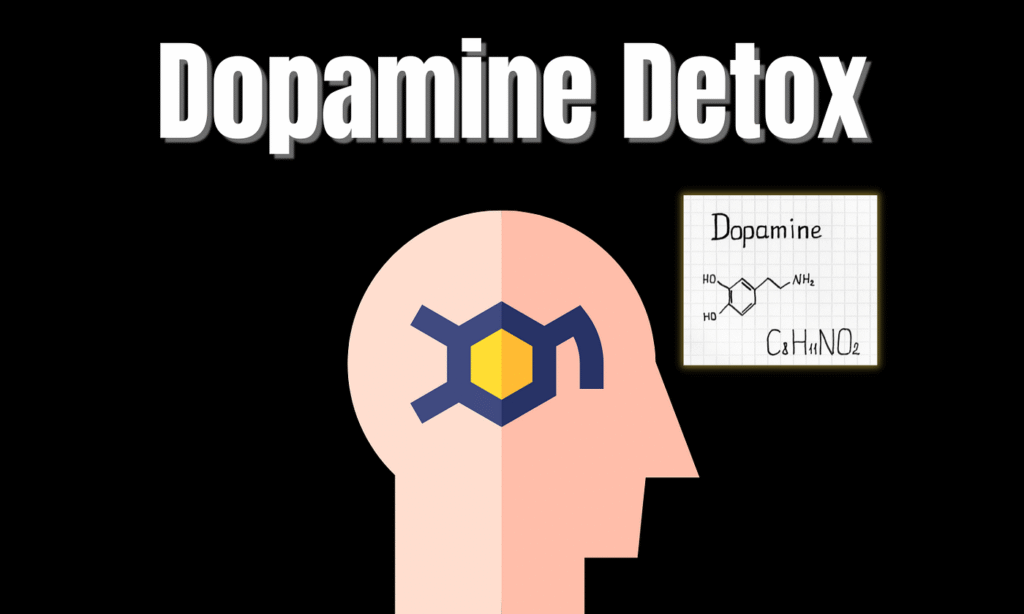
These aren’t soft habits—they’re masculine recalibrations for sharper execution.
A clear mind makes bold moves. A cluttered one chases likes.
6. Physical Dominance: Rebuilding the Temple
Your body isn’t just a vessel—it’s your foundation.
In Monk Mode, physical upgrades are part of the plan. Why? Because focus isn’t just mental. It’s hormonal. Neurological. Energetic.
That’s why men in Monk Mode train hard:
- 3-6 intense workouts per week (weights, calisthenics, martial arts)
- Cold exposure (ice baths, cold showers to build resilience)
- Clean eating (cutting sugar, alcohol, processed junk)
- Deep sleep routines (dark room, no screens before bed, magnesium)
When you build the body, you build the mind.
And in Monk Mode, you build both.
7. The Blueprint: Your 7-Day Monk Mode Starter Plan
Want to try Monk Mode but don’t know where to start?
Use this 7-day starter blueprint to get your first taste of the discipline:
Day 1 – Purge the Noise
- Delete distracting apps
- Clean your digital space
- Set 3 weekly focus goals
Day 2 – Establish Your Routine
- Wake before 7AM
- Block out 2-3 hours of deep work
- No phone until after lunch
Day 3 – Sweat & Reflect
- Do a hard workout
- Journal on clarity, purpose, and what’s been draining you
Day 4 – Cut the Dopamine
- No junk food
- No social media
- No porn
Day 5 – Build Something
- Focus 3+ hours on a creative or income-producing project
- No interruptions, no multitasking
Day 6 – Go Silent
- No unnecessary talking or texting
- Just read, reflect, build
Day 7 – Review & Repeat
- Reflect on what changed
- Plan your next 30-day Monk Mode sprint
Results That Speak: Why Men Swear by It
Men who go Monk Mode report:
- 2x–5x productivity
- Clearer thinking and decision-making
- Stronger discipline
- Deeper sleep and better physique
- Reconnection with long-term vision
It’s not magic.
It’s the removal of everything that isn’t you.
Is Monk Mode for Everyone?
No—and that’s the point.
This path isn’t for the casual or the weak-willed. It’s for the builder, the creator, the man with a mission.
Monk Mode won’t feel sexy.
It won’t go viral.
But it will change your life—if you can stay in the fire.
🧠 FAQ: Focus Systems, Productivity for Men & Work-Life Detox
1. What is a strategic digital detox for high-performing men?
It’s a structured period where men reduce digital input, distractions, and social noise to concentrate fully on personal growth and high-priority goals.
2. How is this different from a basic productivity hack?
This approach combines deep focus, lifestyle discipline, and minimalism. It’s not a quick fix—it’s a full reset for mind, body, and habits.
3. Who can benefit from this focused lifestyle?
Whether you’re a college student, entrepreneur, or executive, any man seeking clarity, energy, and results can benefit from a structured reset phase.
4. How long should a focus sprint last?
Some go for 7 days; others commit to 30 or even 90. Choose a timeframe based on how much change you want to create.
5. Do I need to give up my phone completely?
Not necessarily. The goal is to set hard boundaries—using your phone only for essential tasks, with no aimless scrolling or notifications.
6. What does a high-discipline daily routine look like?
Early wake-up, tech-free mornings, deep work sessions, physical training, clean eating, and evening reflection or reading.
7. Can I still socialize during this period?
Yes—but be selective. Prioritize high-value conversations and limit time spent in draining or unproductive social situations.
8. Does this kind of reset help mental health?
Absolutely. Many men experience less anxiety, better sleep, and a stronger sense of purpose after unplugging from digital noise and clutter.
9. What are the best tools to support this lifestyle?
Minimalist productivity tools like Notion, Freedom, Cold Turkey, and Focus Keeper help keep your days intentional and clean.
10. Can it help improve physical fitness?
Yes. Many incorporate daily workouts, clean eating, and recovery routines to rebuild physical strength and energy during this time.
11. What are common mistakes guys make during these resets?
Going in without a plan, setting unrealistic rules, or isolating without structure. Simplicity and consistency work best.
12. How do I maintain boundaries if I live with family or roommates?
Set clear expectations, use time blocks, and create private pockets of space with noise-canceling headphones or early hours.
13. What kind of goals should I focus on?
Pick 1–2 that move the needle—launching a project, building a side hustle, improving fitness, writing, or completing a course.
14. Do I need to quit my job or take time off?
No. You can structure this around your current responsibilities. It’s about optimizing, not escaping.
15. Can this help me break bad habits like procrastination or digital addiction?
Yes. It’s one of the most effective ways to replace low-level habits with intentional, rewarding actions.
16. Is this process spiritual or religious?
Not necessarily. Many men pursue it purely for mental performance, discipline, and productivity. Others add spiritual elements if they choose.
17. Should I include meditation or journaling?
Both are powerful tools. Even 10 minutes of meditation or a simple gratitude log can drastically improve clarity and self-awareness.
18. What happens after I finish the focus period?
Ideally, you maintain the best habits—like deep work blocks and digital boundaries—integrating them into your everyday lifestyle.
19. How do I stay consistent and motivated?
Track wins daily, review your goals weekly, and connect with others on the same path to stay accountable.
20. Where can I find a like-minded community to join?
Look into online spaces like Reddit, Telegram, or invite-only men’s groups focused on productivity, discipline, and intentional living.
Choose Silence, Win Loud
Here’s the truth:
The world wants you distracted. Soft. Addicted.
Your edge depends on choosing the opposite.
Monk Mode 2.0 is the antidote.
A silent rebellion. A calm dominance.
A system to build without noise—and rise without validation.
So ask yourself:
Are you working—or just scrolling?
Are you building—or just busy?
Are you in control—or being controlled?
⚔️ Begin Your Monk Mode Journey
If you’re ready to ghost the noise, reclaim your clarity, and build like a focused beast—don’t just read this.
Live it.
Because in 2025, the most dangerous man isn’t loud.
He’s the one who disappears to build in silence—
And returns with everything. Join MindGearMen.